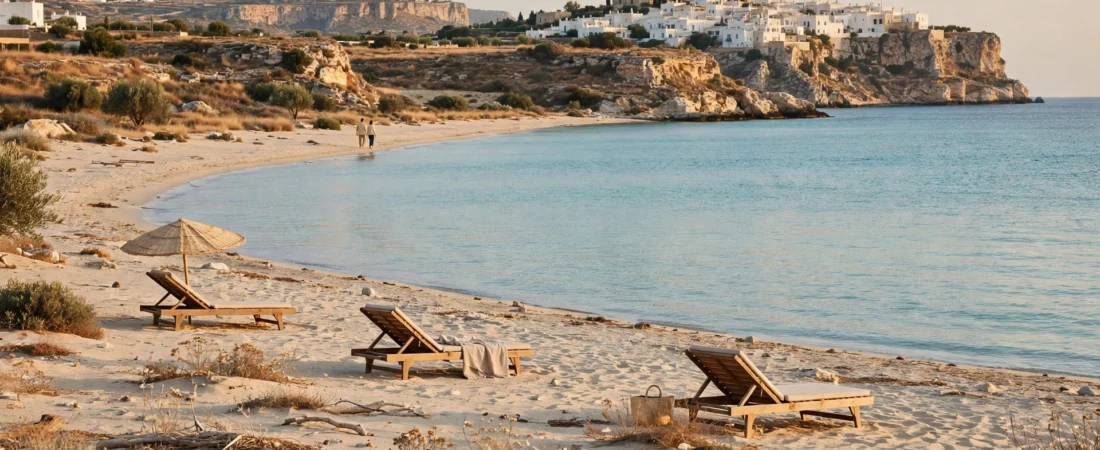
If you’ve ever queued 40 minutes for a ride, paid peak prices for a mediocre hotel room, and then watched a family of five squeeze past you on a beach that looked empty in the brochure photos, you’ve asked this question the hard way. The quietest time to go on holiday isn’t a single week you can circle on a calendar. It’s a pattern — and once you can see it, you can dodge most of the crowds without giving up decent weather.
The short version: travel just after the crowds leave, or just before they arrive. For most of Europe and North America, that means late April to early June, and mid-September to late October. But the exact quiet week depends on where you’re going, what you’re doing there, and — more than anything — when the schools are out.
The short answer: aim for the edges of peak season
Peak season runs roughly from late June to late August in the northern hemisphere, with extra spikes at Christmas, New Year, Easter, and the February half-term. The weeks either side of that summer block are where the magic happens. In May, the Algarve is warm enough for long lunches outside, but the beach bars haven’t yet filled with August’s crowds. In late September, the sea around Crete is still around 23°C, yet the sunbed rows have thinned out dramatically.
This is what travel writers call shoulder season, and it’s popular for a reason. You get most of peak season’s weather with a fraction of its queues. Hotel rates typically run 30 to 50 percent below August peaks in European cities and resorts, according to recent destination benchmarks, and restaurants that demanded a booking three weeks ahead in July will often seat you the same evening in October.
There’s a catch, though. Shoulder season isn’t automatically quiet. If you pick the week of a major festival, a national holiday, or a school break in the country you’re visiting, you’ll walk straight into a crowd you thought you’d avoided. Timing the week matters more than timing the month.
Why crowds follow the school calendar — even if you don’t have kids
Here’s the uncomfortable truth for child-free travellers: you don’t need to be tied to the school calendar for it to ruin your holiday. Families are, and families make up a huge share of summer demand. When schools break up, flights fill, hotel prices jump, and every attraction queue doubles in length.
In England, the summer break runs from late July to early September, with half-terms in late May and late October. France, Germany, and the Netherlands have their own breaks, staggered through July and August, which is why a “quiet” week in Provence can suddenly fill with Dutch and German families. In the US, schools generally return after Labor Day in early September, which is why mid-September feels so different from mid-August at national parks and beach towns.
The practical move is simple: before you book, check the school holidays for both your home country and your destination. A week that looks dead on your calendar might be a holiday week where you’re headed. This is exactly the kind of clash a free quiet week finder is built to catch — it scores each week by combining school-holiday estimates with public holidays, so you can see the quiet weeks at a glance instead of cross-checking three calendars yourself.
If you can only travel in school holidays, go early in the break rather than late — the first week is usually calmer than the last.
The quietest windows by trip type
Not every holiday has the same quiet season. A beach break and a city break peak at different times, and ski resorts play by entirely different rules.
For beach holidays, late May and mid-September are the sweet spots in the Mediterranean. The water’s warm enough to swim in by June, and it stays warm well into September, while the crowds peak in July and August. If you’re heading further afield, watch the rainy seasons instead: Thailand’s islands are quietest in the shoulder months between the dry and wet seasons, but that quiet comes with a real chance of afternoon downpours.
City breaks are more forgiving. Rome, Paris, and Barcelona are busy year-round, but January, February, and November are noticeably calmer — and the museums don’t care what month it is. November in Paris means shorter lines at the Louvre, tables without a wait in Le Marais, and hotel rates well below summer levels. The trade-off is shorter days and a higher chance of rain, so pack accordingly and plan more indoor time.
Theme parks have their own rhythm. Midweek days in term time are dramatically quieter than weekends and holidays — sometimes the difference between a 10-minute wait and a 90-minute one. If you’re planning a park trip, a Tuesday in late September will feel like a different park from a Saturday in August, even though the rides are identical.
Ski resorts flip the whole pattern. Their quiet weeks fall in early December, before the Christmas rush, and in late March or April, when the snow is still good but the half-term crowds have gone home. January, outside of New Year week, is often the quietest month on the slopes — cold, yes, but with empty lifts and freshly groomed runs.
A destination cheat sheet for quiet travel
Some places reward careful timing more than others. Here’s where the shift makes the biggest difference:
Santorini in July means sunset viewpoints packed shoulder to shoulder. In late September, the light is just as good, the caldera is still warm, and you can actually get a table in Oia without a reservation made weeks ahead. Better still, swap Santorini for Naxos or Paros, where the same Aegean water comes with a fraction of the visitors even in peak months.
Dubrovnik’s Old Town is a bottleneck in August, when cruise ships disgorge thousands of day-trippers at once. Visit in May or October and you can walk the city walls without shuffling in a queue — and the ferry to Lokrum Island feels like a private escape rather than a commuter run.
For UK seaside trips, the pattern is brutally simple: avoid the six weeks of the English summer holidays and the May bank holiday weekends. A weekday in June in Cornwall or Whitby is a different world from a Saturday in August — same coastline, same fish and chips, half the traffic on the A30.
In the US, national parks tell the same story. Yosemite’s Half Dome permits, which friends of mine failed to win in the lottery three summers running, came easily in mid-September once Labor Day had passed. The waterfalls are lower by then, but the trails, the parking, and the campgrounds are all far more civilised.
How to check a specific week before you book
Guessing from a month name is a start, but a single week can make or break a trip. Before you commit, run through this quick check:
First, look up the school holidays in your destination country for your exact dates — not just your own country’s calendar. Second, check for local public holidays, festivals, and big events (a marathon, a film festival, a religious celebration) that can fill a city overnight. Third, look at the day of the week: attractions are quietest Tuesday to Thursday, and flights on those days tend to be calmer too. Finally, check whether your destination has timed-entry tickets — if the Colosseum or the Sagrada Familia sells out weeks ahead for your dates, that’s your crowd warning in advance.
If doing all that by hand sounds like homework, that’s what the quiet week finder tool does for you. Pick your home country and your travel window, and it scores every week from 0 to 100, from hidden gem to peak, using school-holiday estimates and computed public holidays. It’s a quick way to spot the quiet week hiding between two busy ones — and it pairs neatly with our guide to the cheapest weeks to travel, since the quietest week and the cheapest week are often, though not always, the same one.
The trade-offs nobody mentions
Quiet travel isn’t free. The same low demand that empties the beaches can also close the beach bar. In the true low season — January in a Greek island village, November in a Croatian resort town — some hotels, restaurants, and boat tours shut for the winter. Shoulder season usually avoids this, since most places stay open through October and reopen by April, but it’s worth checking opening hours for the specific places you care about, not just the destination in general.
Weather is the other trade-off, and it’s an honest one. Late October in the Mediterranean can be glorious, or it can rain for three days straight. November in northern Europe means daylight ending by 4pm. The trick is to match the trip to the season: choose cities and indoor attractions for the darker months, and save the beach for the warm shoulders. A quiet week with a bit of rain still beats a packed week in perfect sunshine for most people — but only if you’ve packed for it.
Frequently asked questions
What is the quietest month to go on holiday?
It depends on the destination, but November and January are usually the quietest months in Europe and North America, outside of the Christmas and New Year weeks. For beach destinations specifically, late September and early October give you the best balance of quiet and warm weather.
Is September really quieter than August?
Yes, noticeably. Once schools return in early September, family travel drops sharply. Mid-September onwards typically means shorter queues, easier restaurant bookings, and lower hotel rates — while the sea and the weather in southern Europe are often still at their best.
How do I avoid crowds if I can only travel in school holidays?
Travel in the first week of the break rather than the last, choose less famous destinations over the headline spots, and visit popular attractions first thing in the morning or late in the afternoon. Midweek days within a holiday week are also calmer than the weekends at either end.
Are weekdays actually quieter than weekends on holiday?
Almost always. Attractions, airports, and restaurants are busiest Friday to Sunday. If your trip spans a weekend, plan your big-ticket sights for Tuesday to Thursday and save the weekend for wandering, markets, and neighbourhoods that don’t depend on queues.
Does travelling off-peak always mean worse weather?
No, but it does mean less predictable weather. Shoulder-season months like May and September often have excellent weather in southern Europe — sometimes better than the scorching peak of July and August. The risk is higher in the true low season, so check average temperatures and rainfall for your exact destination and dates.
The week you pick matters more than the month
Nobody remembers a holiday for the month they went. They remember the queue, or the empty beach, or the table they got without booking. The quietest time to go on holiday is rarely a secret month — it’s the ordinary week just before or just after everyone else goes, checked against the school calendar and the local events diary before you book.
So before your next trip, spend ten minutes scoring your options. Try the free quiet week finder to compare weeks side by side, pick the one that scores lowest for crowds, and book that one instead of the obvious one. Your future self — standing on an empty beach in late September while everyone else is back at their desks — will be glad you did.